Cultivating Progress · Sustainability Report 2025 · Desa Potato Head Bali
Follow the waste
Where waste goes next
A kitchen, a farm, a workshop. Each has a part to play in what happens to the waste we make. In 2025, 99.52% of the 705,281 kg generated at the Desa was diverted from landfill, a result independently verified by Eco Mantra.
This is the route it took.
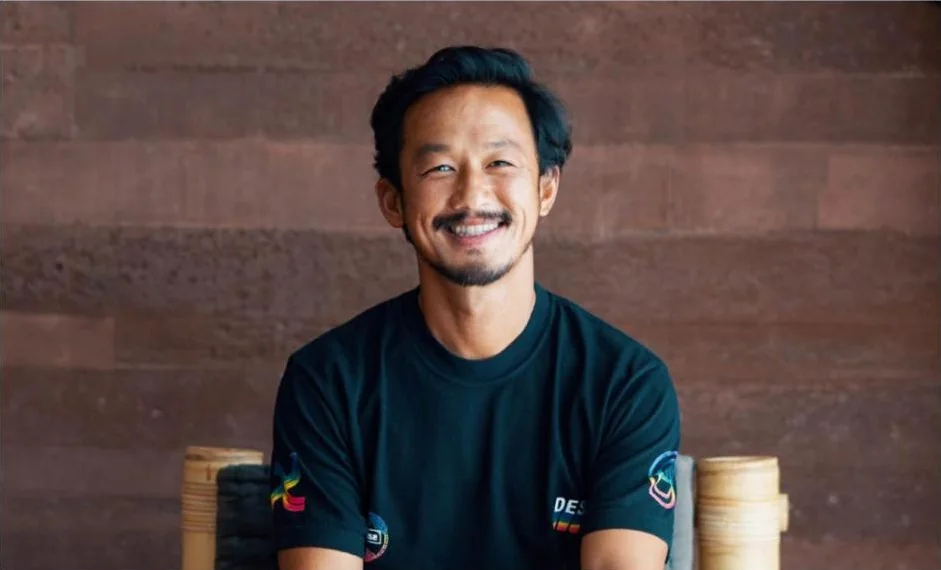
a message from the founder“This island is our home, and when there’s a problem in our backyard we want to do something about it.”
In 2025 we celebrated fifteen years in Bali. This island is our home, and when there’s a problem in our backyard we want to do something about it. For us that started with waste, and today only 0.48% of ours goes to landfill. Once we understood where our waste goes, we wanted to understand what comes in, starting with our food.
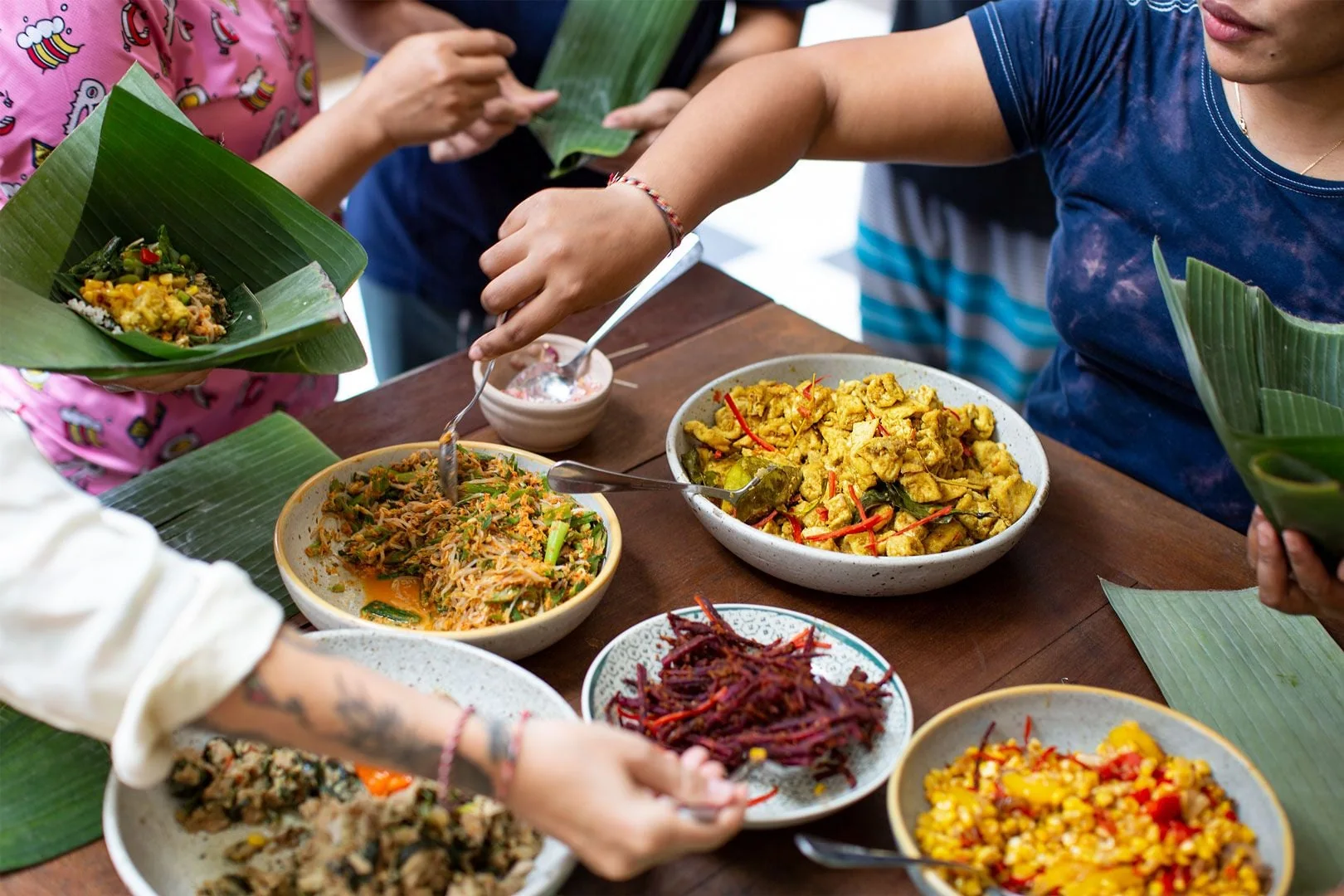
Food is culture here. It is how we gather, how we celebrate good times and how we share this island with our guests. It is also where much of our footprint begins. The food we buy is our biggest source of emissions, and kitchen waste is the biggest thing we throw away. How food is grown shapes the soil, the water and the lives of the farmers on this island.
So we went deeper into our supply chain, to understand who grows our food and how. We now work with 535 farmers on 454 hectares across Bali. On 80 hectares they already grow naturally, without chemicals, and another 374 hectares are converting. We wanted 75% of our produce to come from these farms and reached 57%. What gives me the most hope are the people leading this: young farmers like Gede at Gema Farm and the women of Sari Tani.
In this report we share our progress, our solutions and what is still hard. We hope someone finds it useful, or wants to help us do better.
Ronald Akili, Founder
stop 01 · the kitchen
Where the waste journey starts
Kitchen waste is our largest stream. Food waste asks the most of us, and 2025 taught us that real reduction takes time, patience, and steady research and development.
Cooking breakfast to order keeps portions in check. AI-enabled kitchen scales and our Zero Waste Kitchen R&D now sit alongside it, helping us see where the next improvement lies.
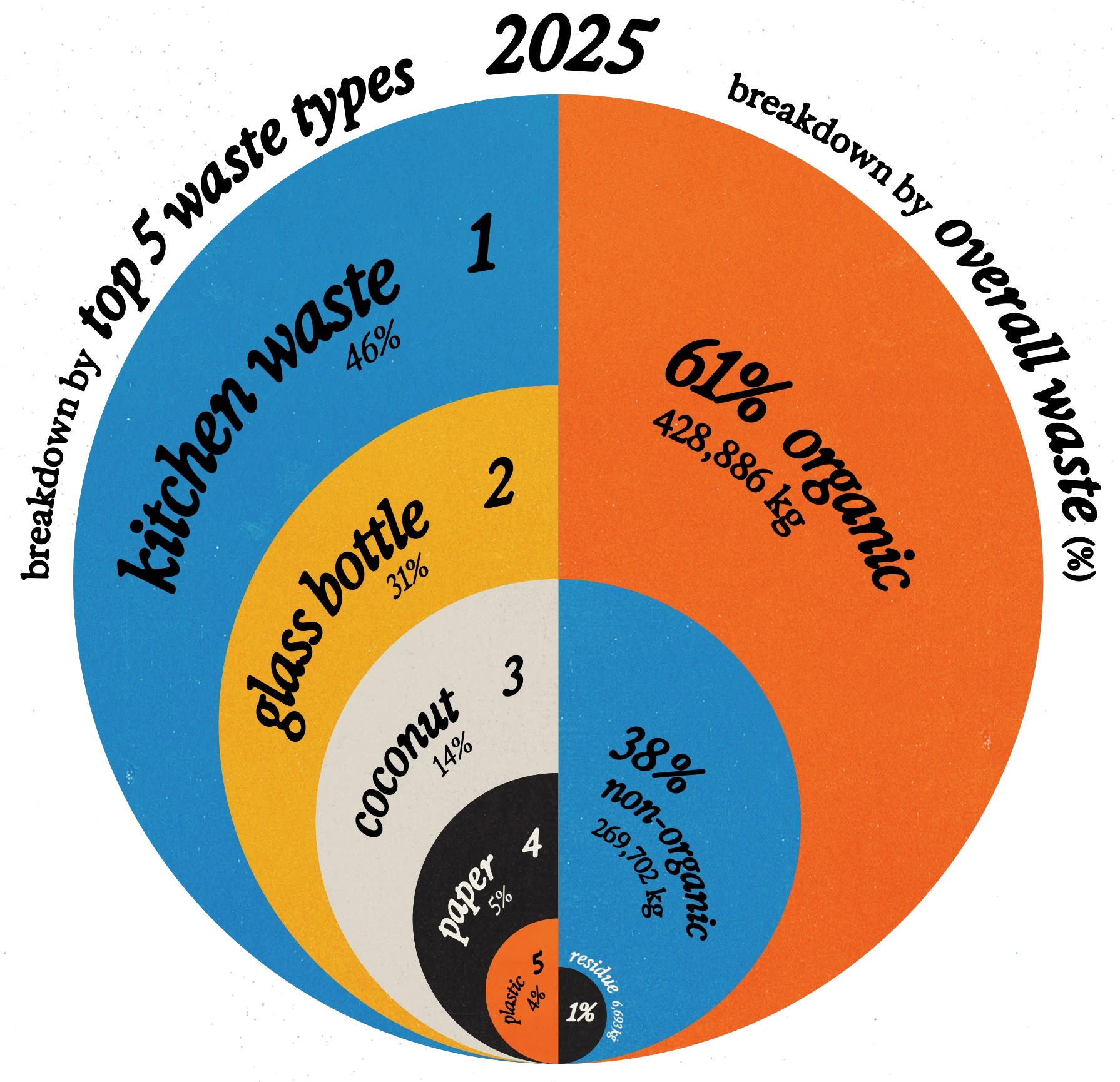
46%
kitchen waste, the largest of our top 5 waste types
0.93 kg
waste per guest, up 14%
756,872
guests across the Desa, down 19%
stop 02 · the sort
Where the waste journey diverts
Waste is separated at every point of operation and regularly checked, across Potato Head Beach Club, AM House, OMA House and the staff area.
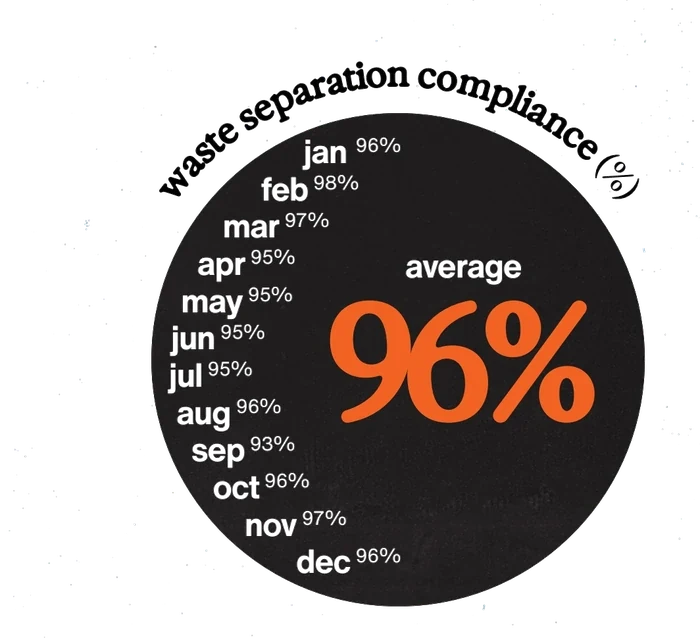
96%
average separation compliance across 2025
compliance by month, %
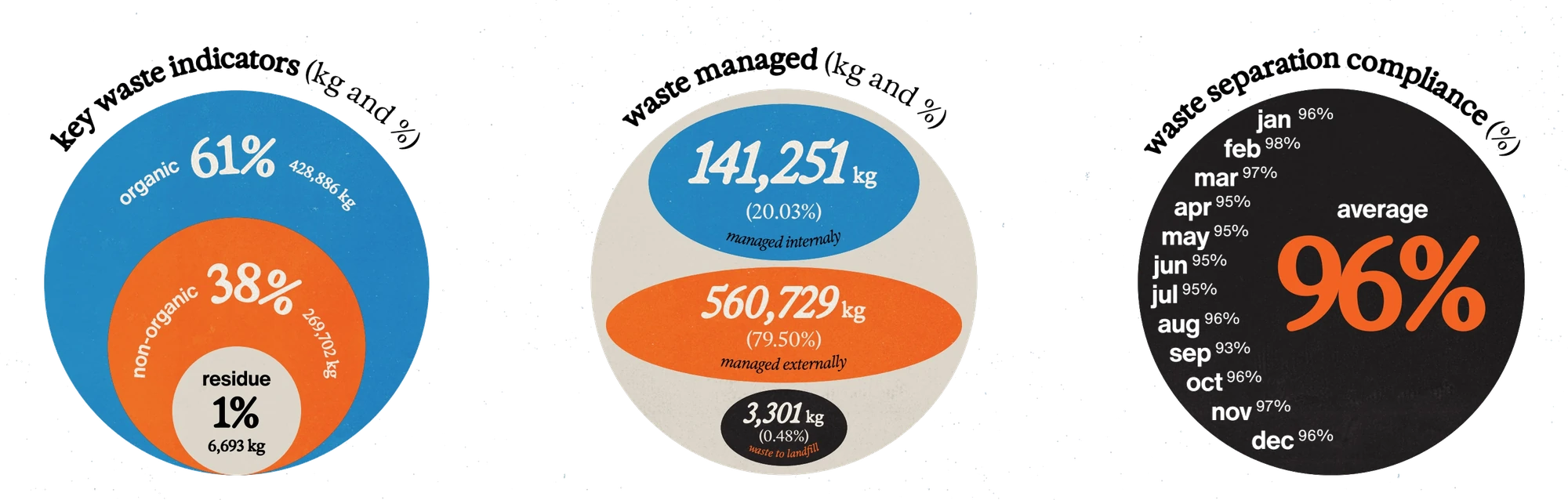
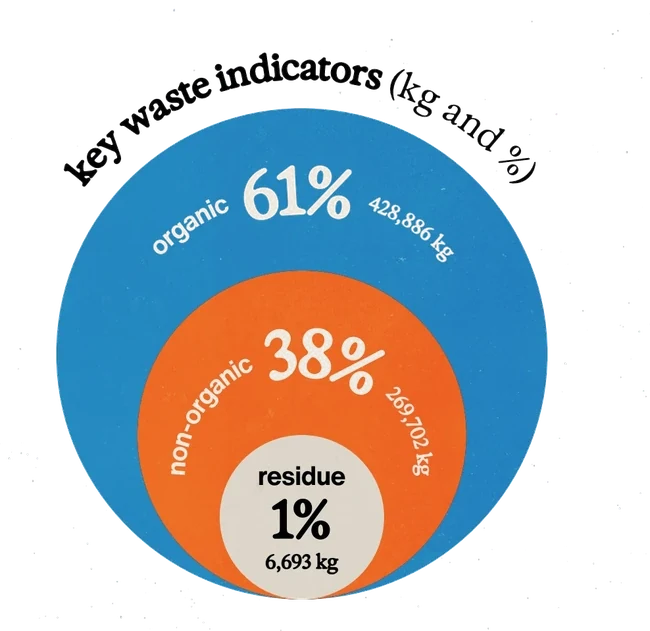
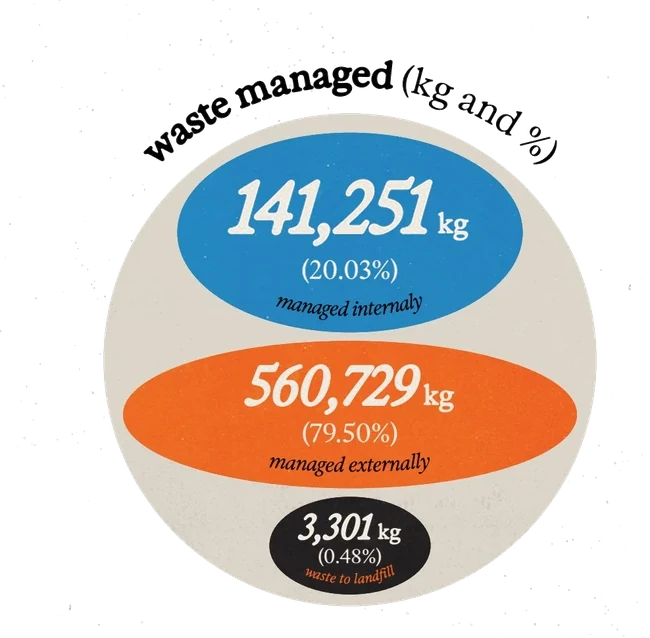
61% of the total is organic waste, 20% is managed internally, 79% is managed externally and 0.48% goes to the landfill.
stop 03 · the soil
Where the waste journey returns
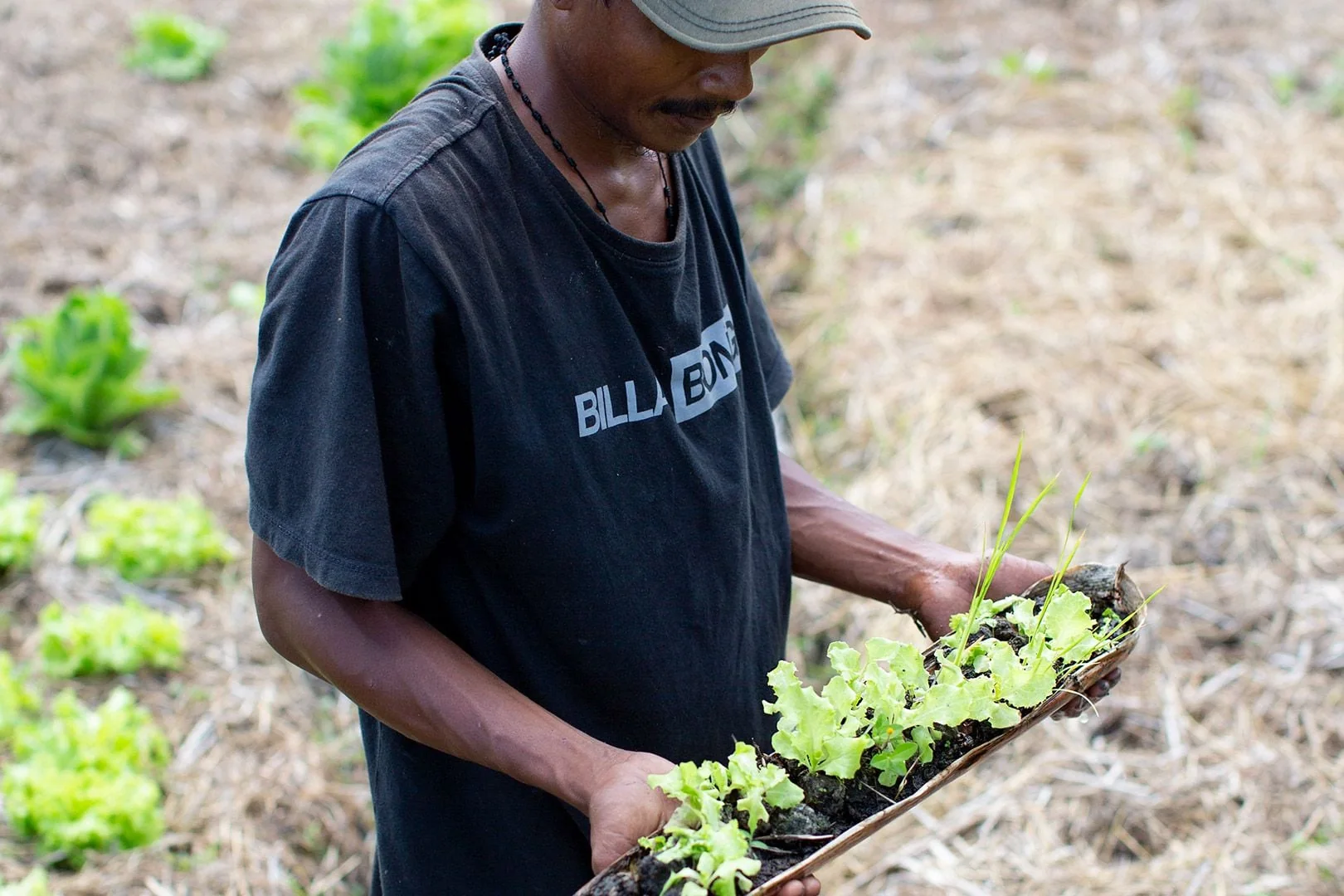
In 2025 we used two composting methods at Sweet Potato Farm. Food scraps, brown tissue and coffee grounds went through hot composting, producing organic fertiliser that was returned to the farm. The rest was processed using black soldier fly.
and from the farm, back to our kitchens
5,050 kg
crops harvested, up 4%
81%
of the harvest used at the Desa
67
types of crops harvested
organic supply chain · transition
454 hectares across Bali, in transition.
Over 80 hectares of our partner farms are now growing organic produce. Another 374 hectares have committed to making the switch. In 2025 we set out to source 75% of our produce from these farms and reached 57%, meaningful progress with more still to do.
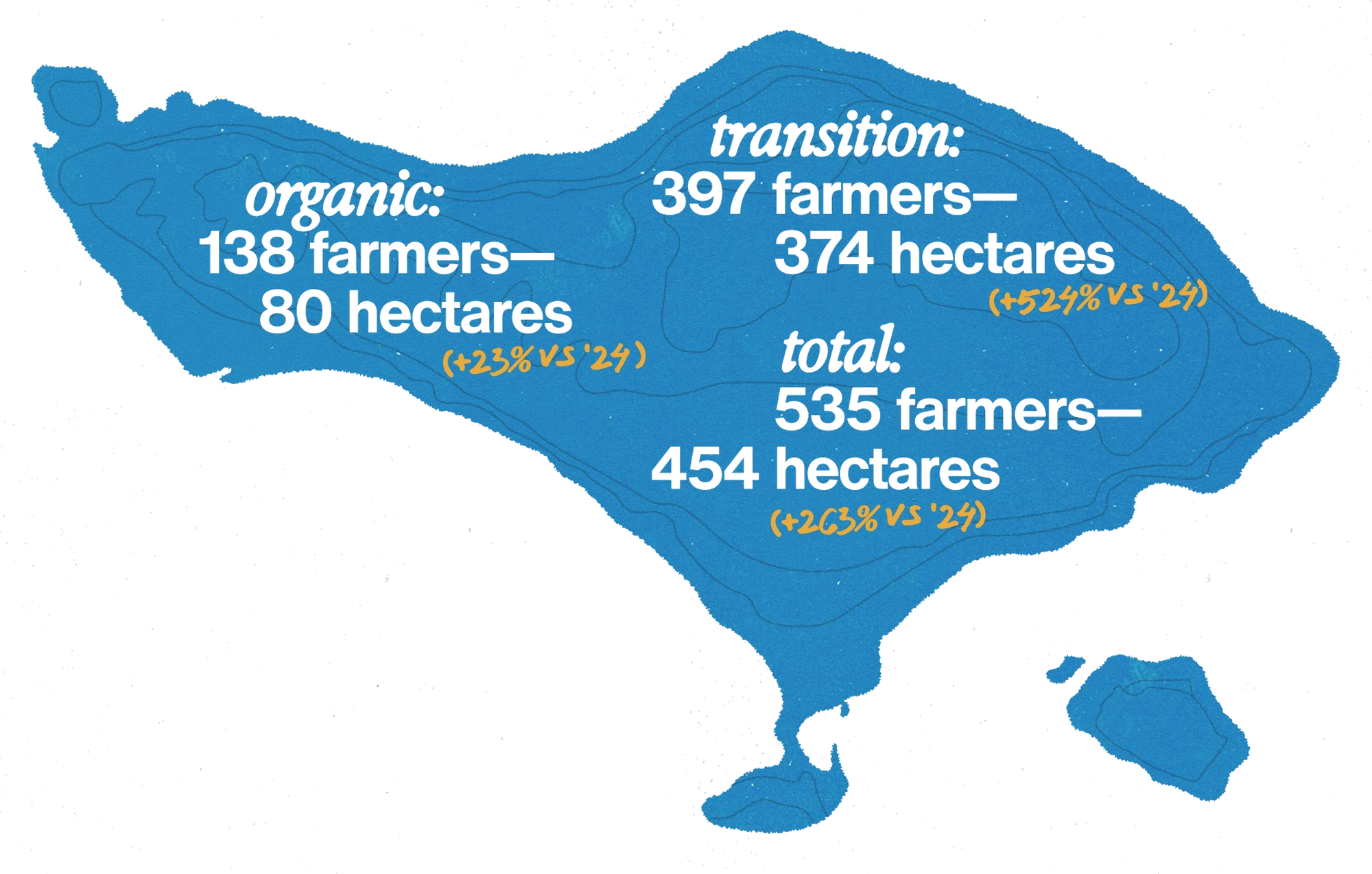
organic:
138 farmers
80 hectares
+23% vs ’24
transition:
397 farmers
374 hectares
+524% vs ’24
total:
535 farmers
454 hectares
+263% vs ’24
stop 04 · the lab
Where the waste journey regenerates
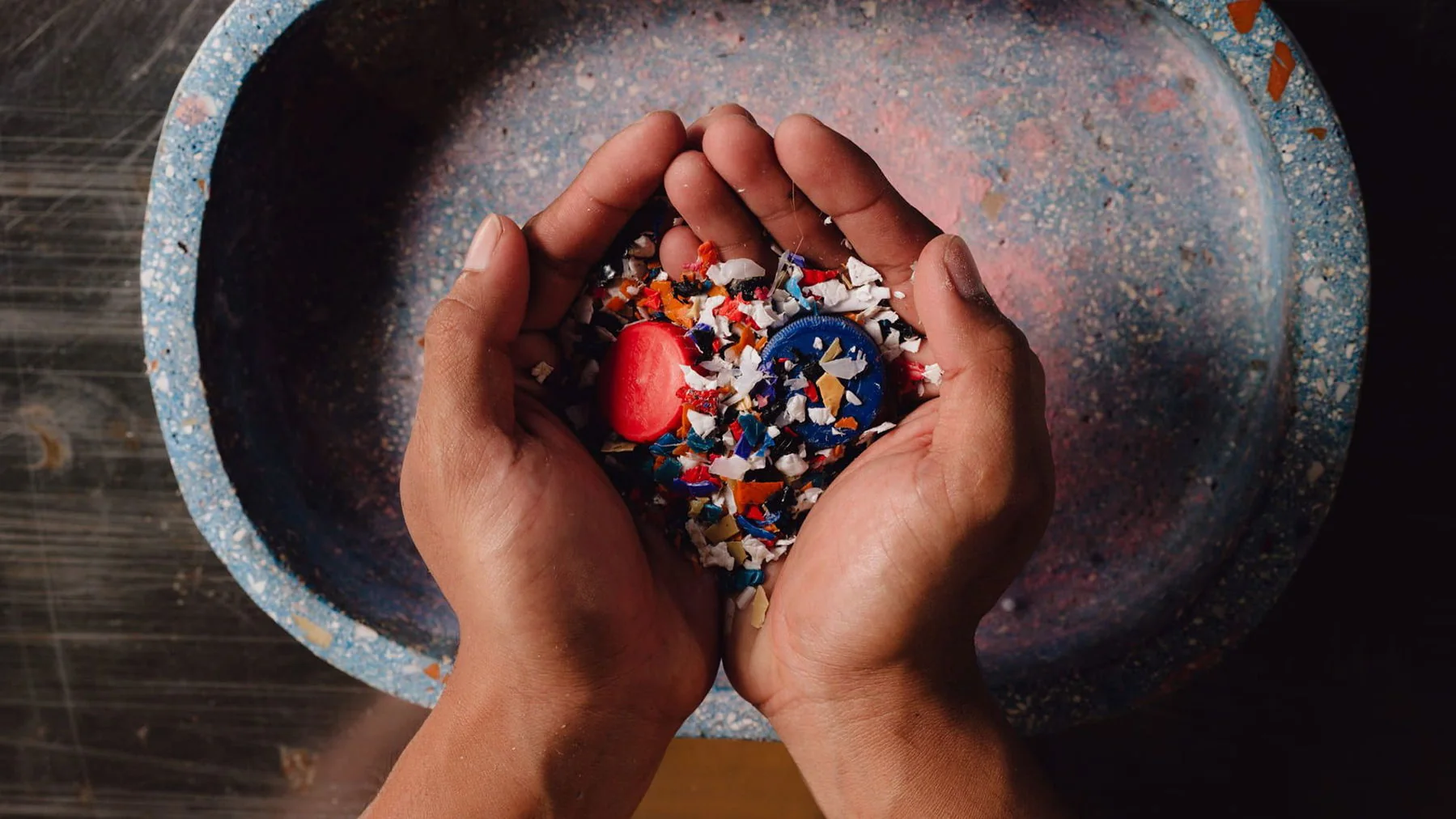
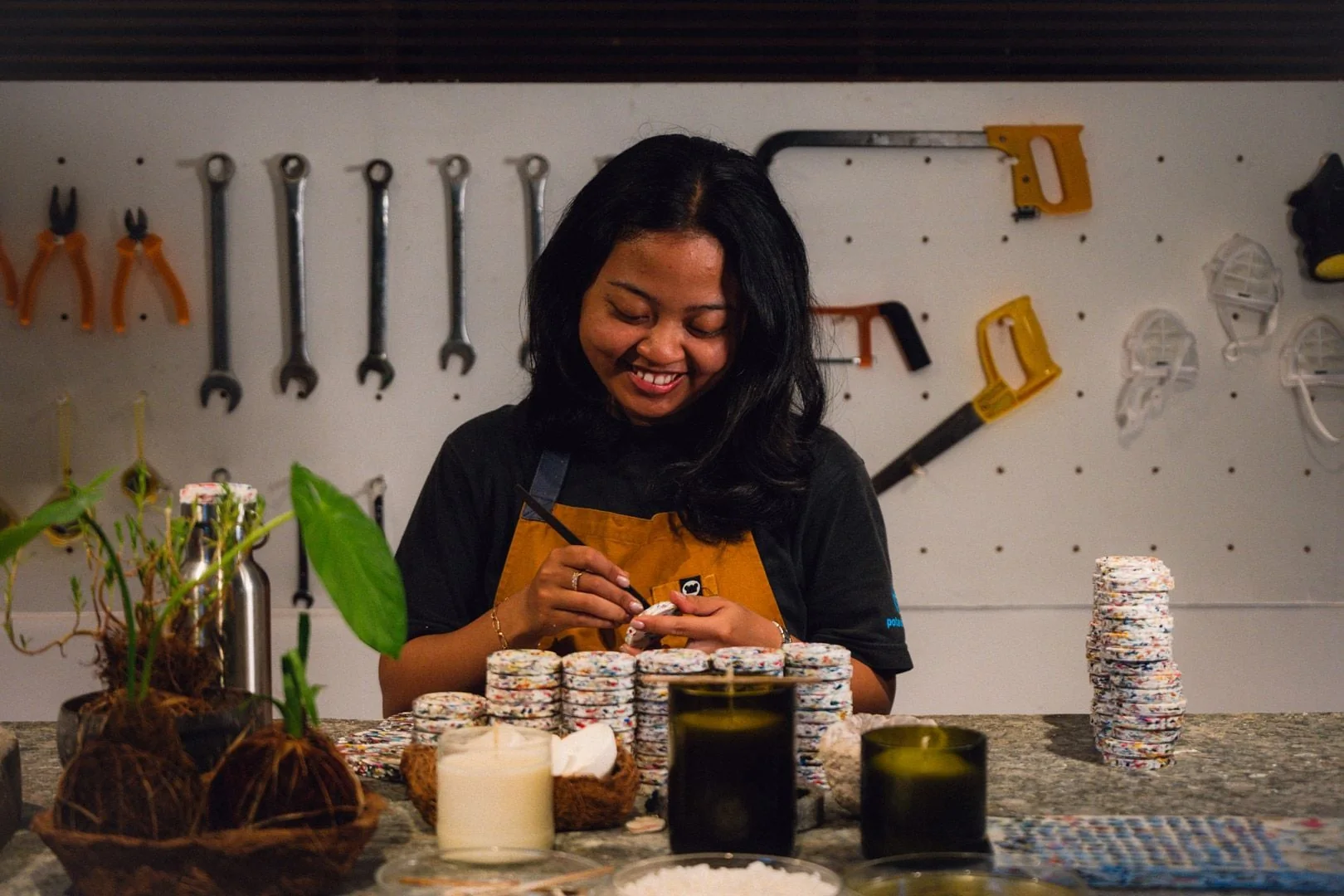
Since 2017, every piece of waste generated at the Desa has been an opportunity: to divert it from landfill and to bring it back into the life of this place as something useful and made with care.
what goes in, and what comes out
in · used cooking oil
20,961 kgcollected, 97% recycled by partner
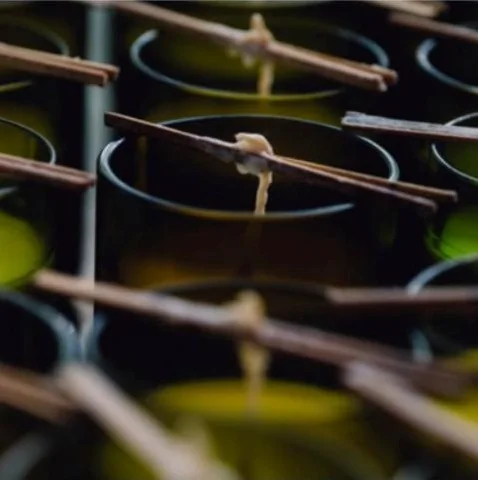
out
9,383
bio-candles
−19% vs 2024
in · glass bottles
196,190 kgcollected, 100% recycled by partner
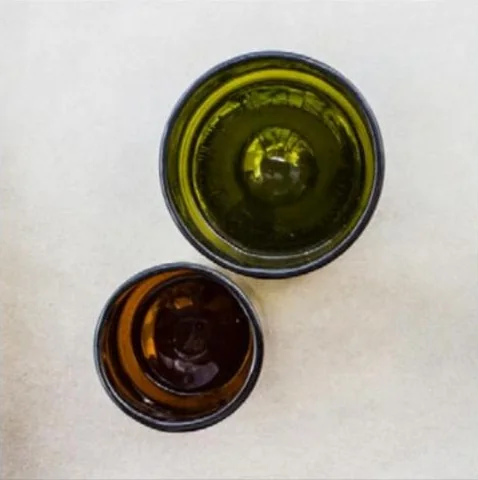
out
524
candle casings cut from wine bottles
−77% vs 2024
in · styrofoam
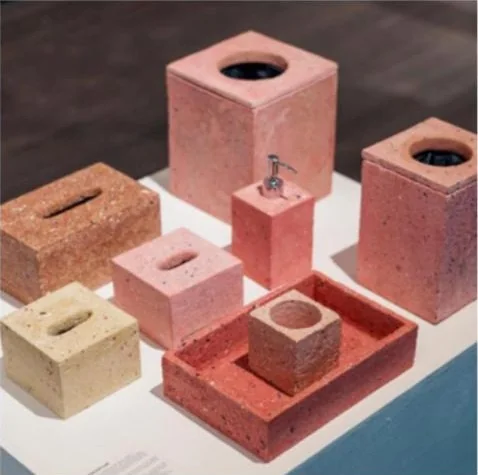
162 kg96% used by the Waste Lab, with 994 kg of seashells
out
1,403
Styroshell products
+19% vs 2024
in · HDPE plastic
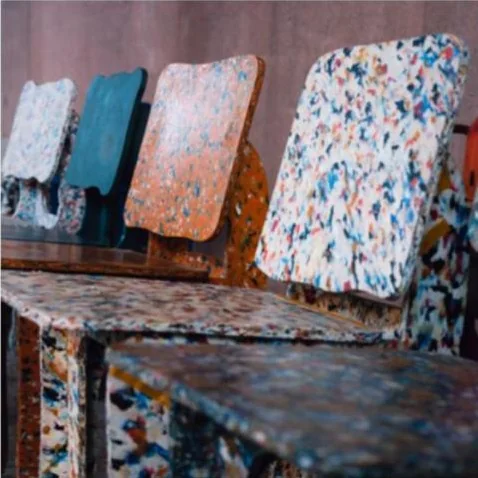
3,425 kg45% used by the Waste Lab, the rest stored for later
out
110,869
HDPE products: tumbler caps, bracelets, coasters, tokens, keychains, menu boards, notepads and room chairs
−6% vs 2024
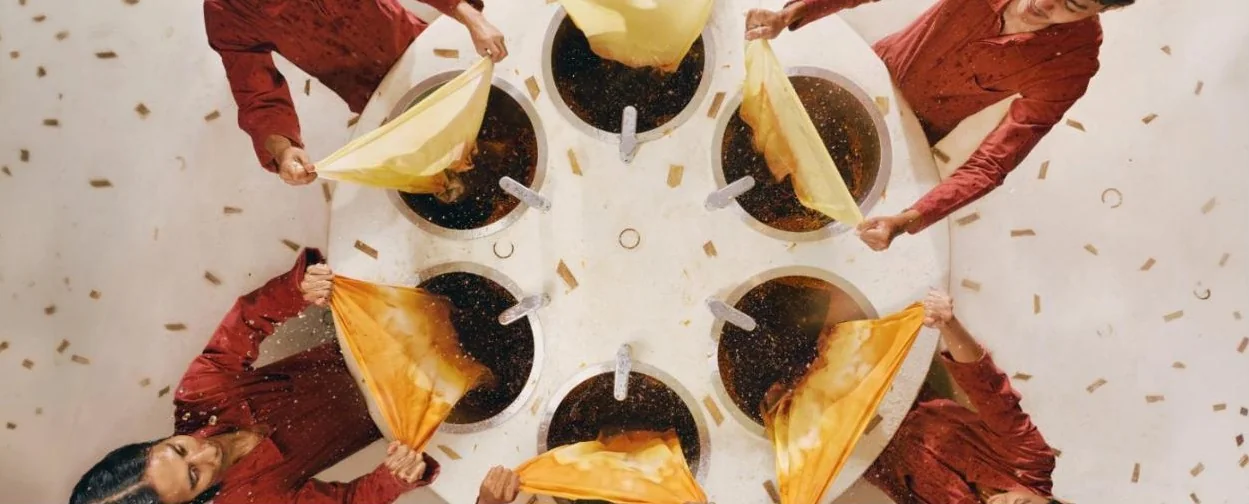
in · retired hotel linen
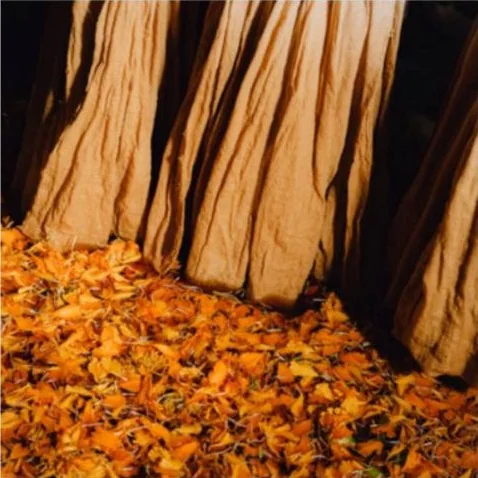
by handdyed by hand with natural dye
out
1,648
tie-dye and linen products
+25% vs 2024
stop 05 · the wares
Where the waste journey materialises
wasted
The debut of a five-year collaboration with British designer Max Lamb, launched on 8 August 2025. Handmade in Bali by local artisans, Collection 001 turns eight waste streams into functional, one-of-a-kind homeware. The material shapes the design, not the other way around.
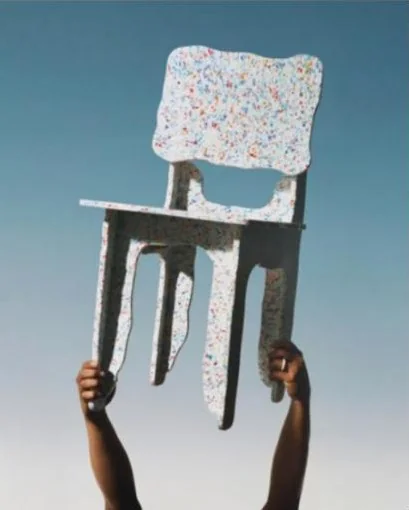
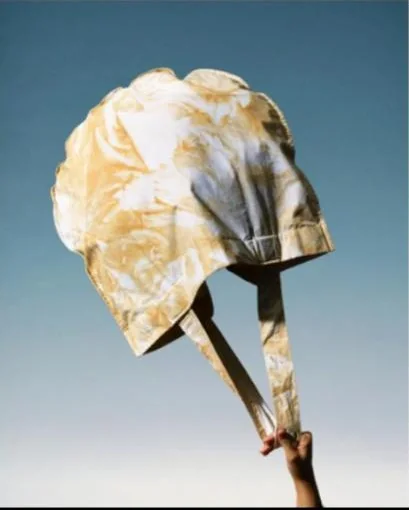
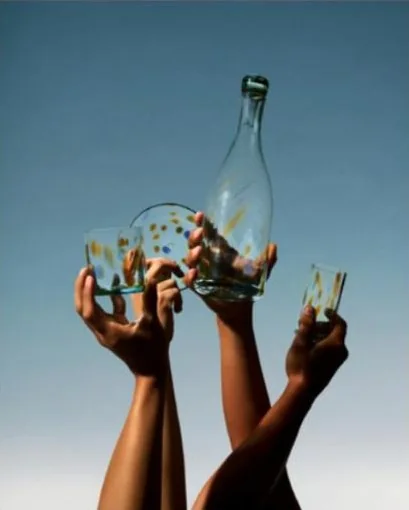

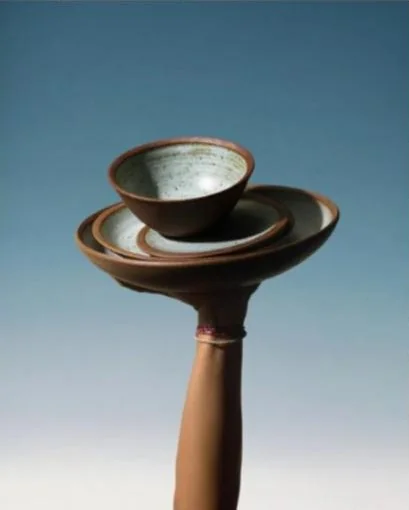

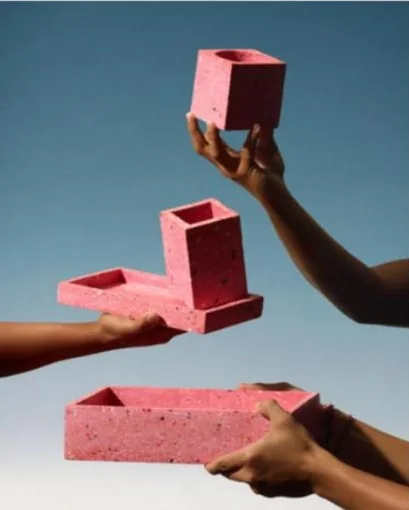
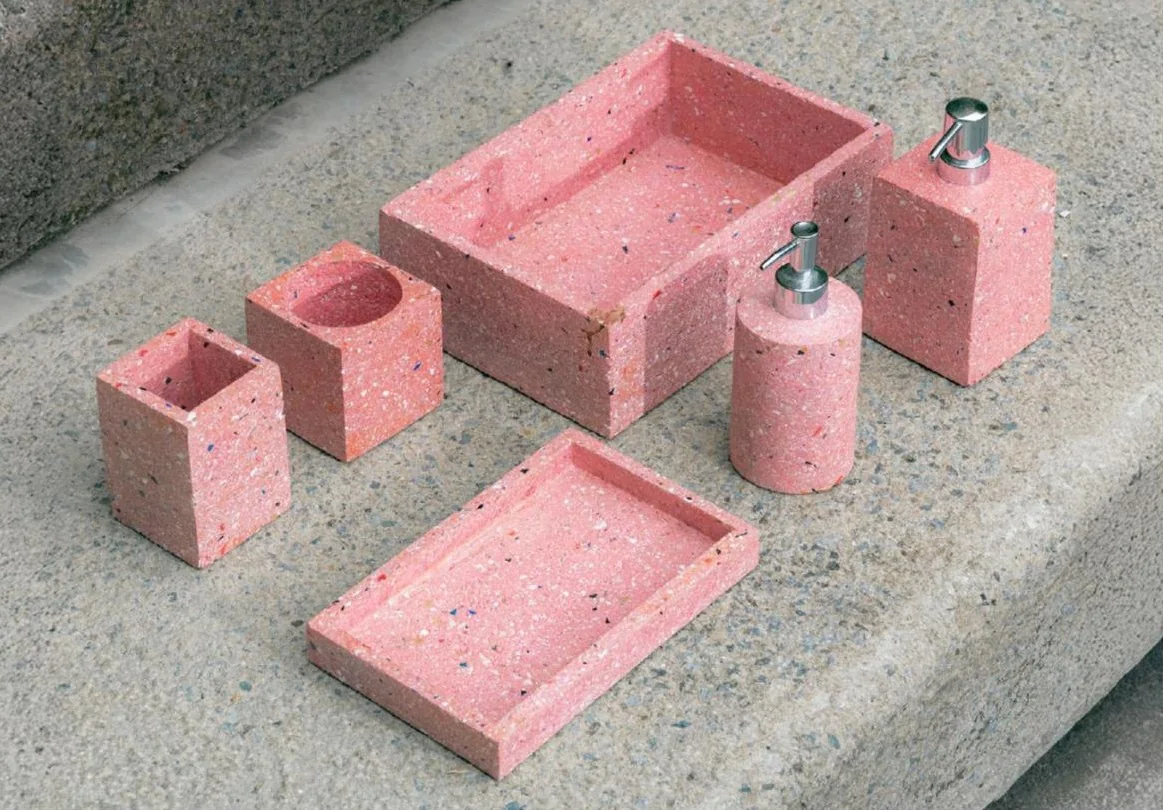
Made in the Waste Lab, 2025
Pieces of Wasted homeware made from upcycled materials.
Upcycled HDPE plastic
- Coasters1,734
- Notepads78
Styroshell, from styrofoam and seashells
- Flower vases214
- Amenities trays170
- Toothbrush holders84
- Soap dispensers67
- Tissue boxes39
- Trash bins38
Used cooking oil
- Bio candles30
stop 06 · the community
Where the waste journey connects
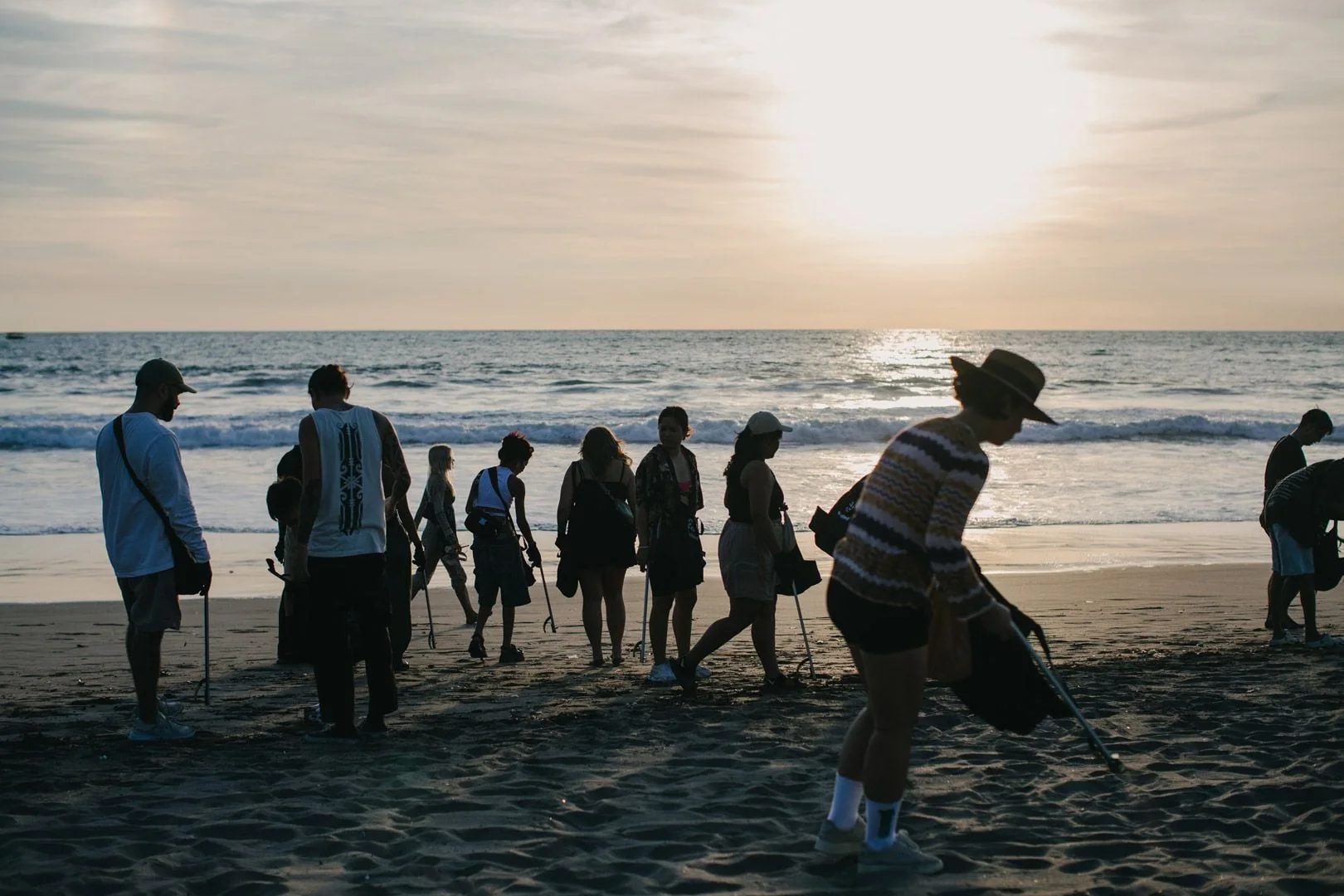
Reaching a 0.48% waste-to-landfill rate at the Desa taught us what works at scale. The Community Waste Project takes that knowledge beyond our walls.
Founded by Potato Head, Mexicola Group and Total Bangun Persada, and now joined by FINNS, KYND, Peppers Seminyak, Brunch Club, Lemongrass and, in 2025, Da Maria.
1,592 t
processed in 2025, with capacity for 6 tonnes a day, and 28 jobs created
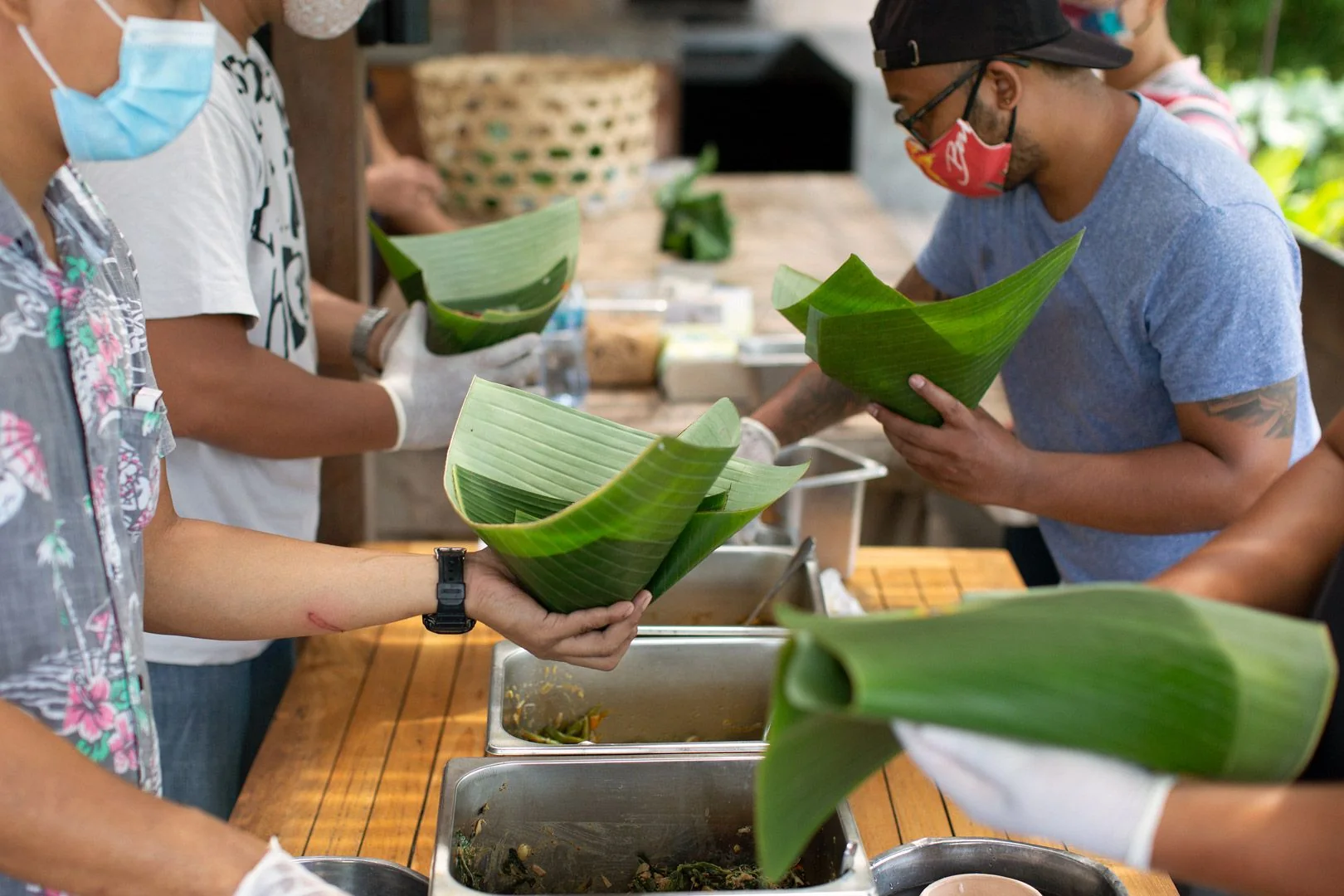
where the 1,592 tonnes went
stop 07 · what’s left
Where the waste journey remains
0.48% of our waste reached landfill in 2025. Eco Mantra’s Zero Waste to Landfill audit verified it, along with a 98.26% recycling rate across all waste streams. It took eight years to get here.
eight years in the making · waste sent to landfill
0.48%
2025
705,281 kg of waste, 99.52% diverted from landfill, independently verified by Eco Mantra.
over the years · 2023 to 2025
Three years, side by side
the harder numbers
There’s more to do, and we know it.
+21%
energy use per guest
Guest visits fell 19%, yet electricity use eased only 1.7%. Most of our energy is tied to the daily running of the Desa, not to how full it is.
57%
organic produce, against a 75% target
Fruit is the slowest to move. Availability hasn’t matched our needs yet, though fruit went from 2% to 37%.
+14%
waste per guest, now 0.93 kg
Kitchen waste is our largest stream at 46%. AI-enabled kitchen scales and our Zero Waste Kitchen R&D are the next steps.
26%
women across our family of 1,053
A gap we’re aware of, and one we’re working to close as we grow.
it takes a village
Our Potato Head family
Hospitality is the business of looking after people. For us, that care doesn’t stop with our guests. It reaches the people who make the Desa what it is.
By the end of 2025, our family had grown to
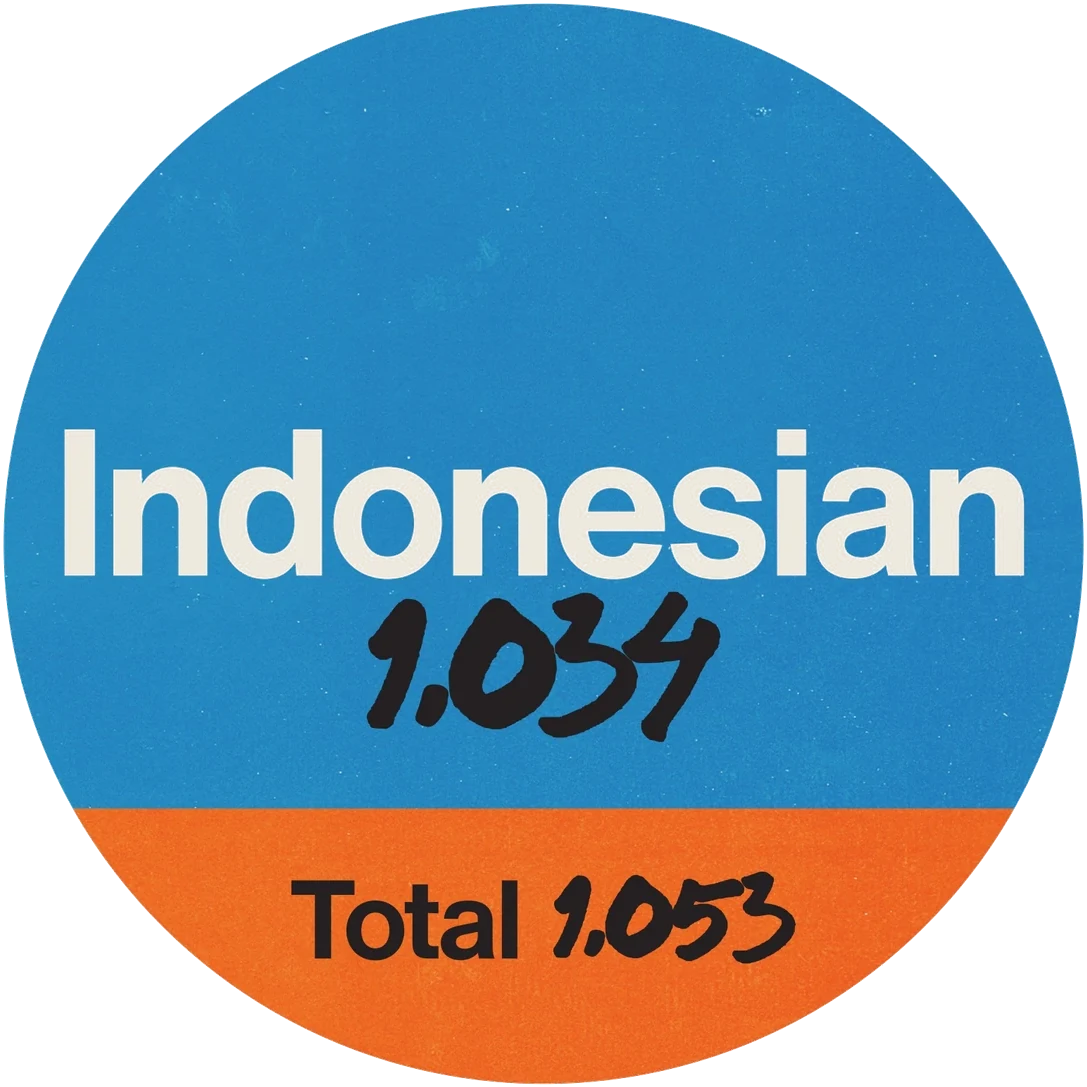
1,053
98% Indonesian. Gen Z 49%, Millennials 45%, Gen X 6%, a few Boomers.



























58,719
hours of training, an average of 56 per person
930
family members joined Do Good volunteering, giving 1,626 hours
429
Family Yoga sessions, joined 1,319 times
employee breakdown by nationality
98% Indonesian.
1,034 of our 1,053 family members are Indonesian, working alongside colleagues from 13 other nationalities.
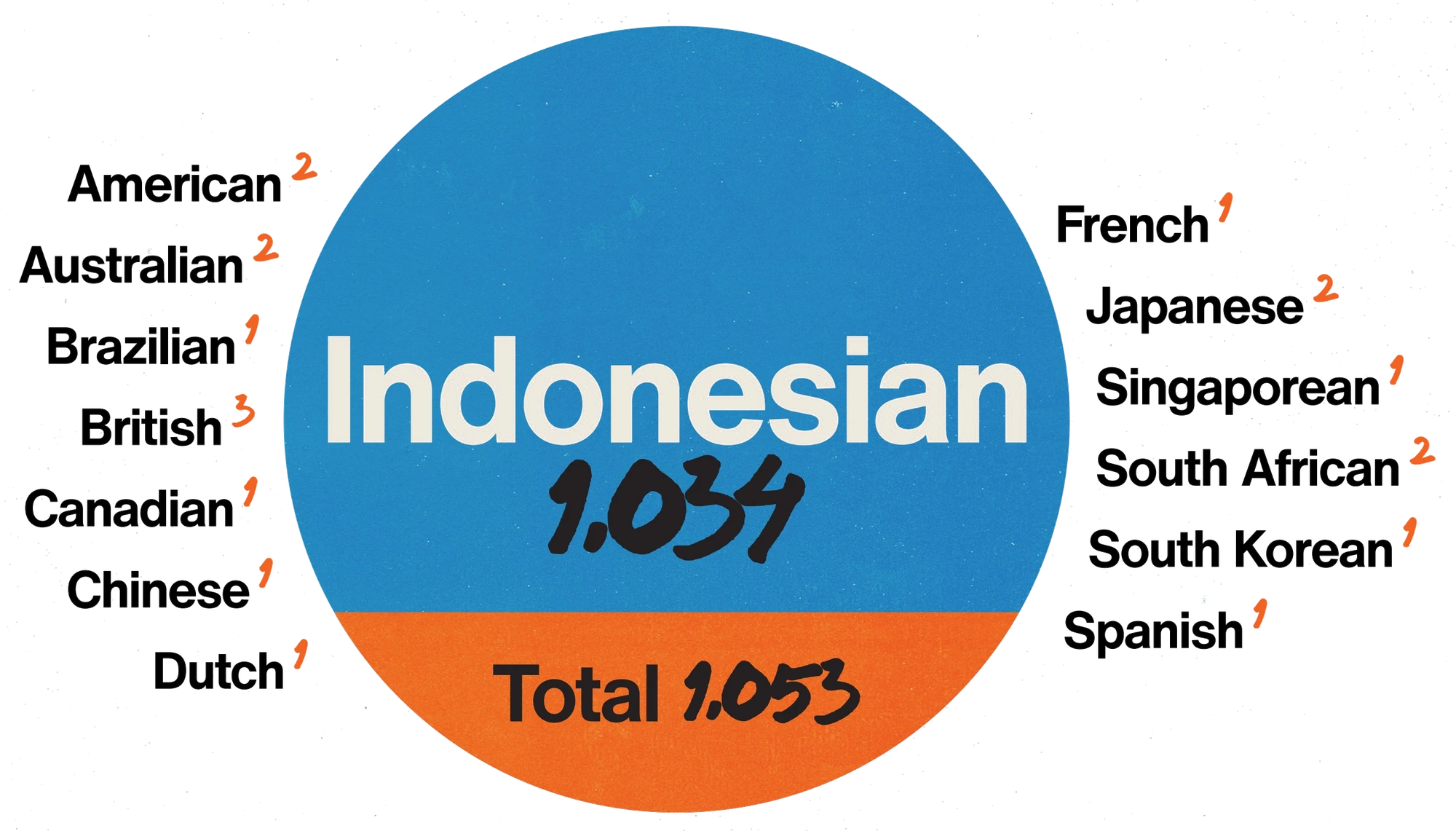
- American2
- Australian2
- Brazilian1
- British3
- Canadian1
- Chinese1
- Dutch1
- French1
- Japanese2
- Singaporean1
- South African2
- South Korean1
- Spanish1
our mantra
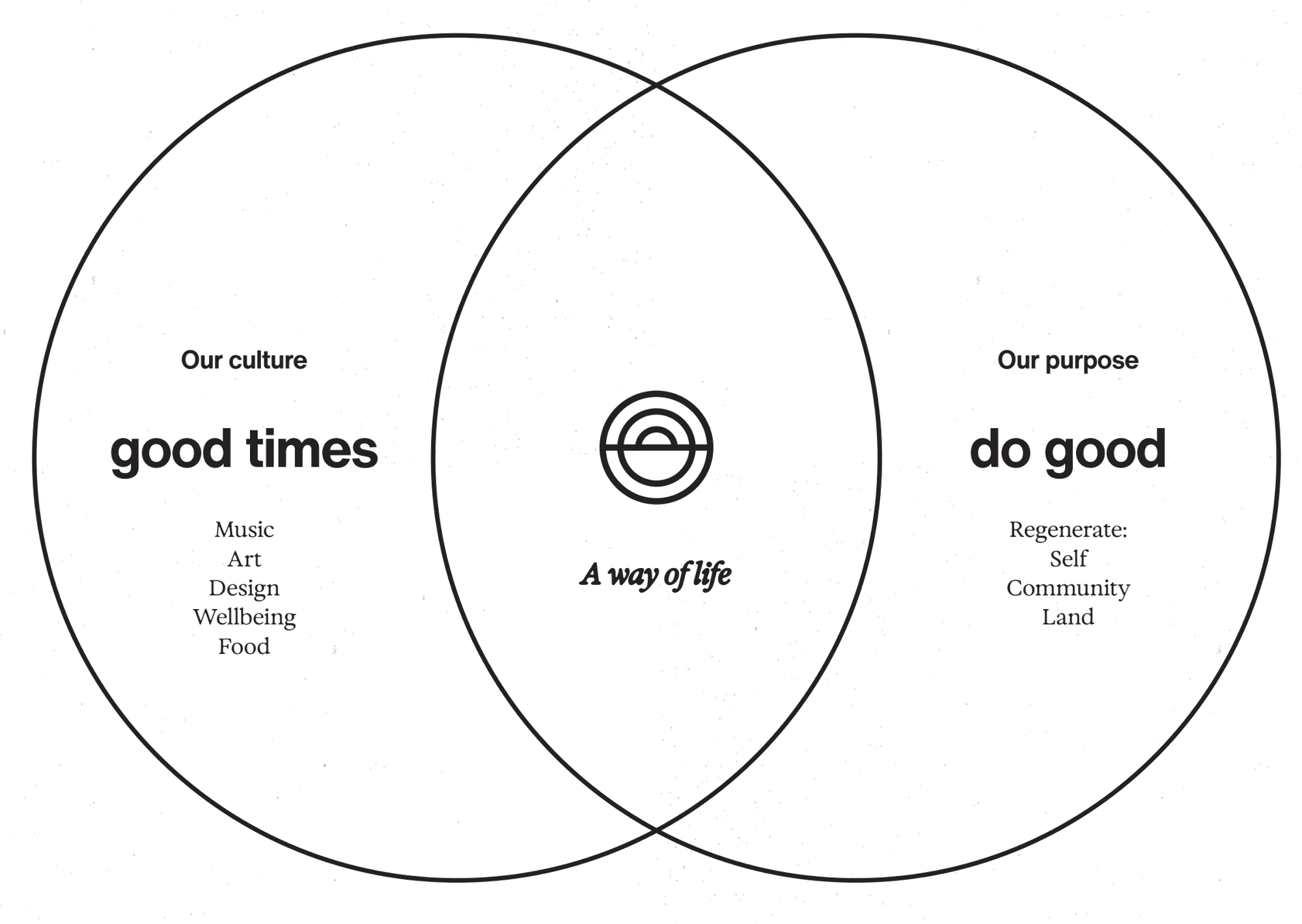
Good times, do good.
Potato Head is a way of life where creativity, culture, and care for the planet come together.
what’s next
The future is bright
All the places and spaces in the Potato Head ecosystem share the same mission: give culture the space to grow, with people and planet in mind.
1% for the Planet
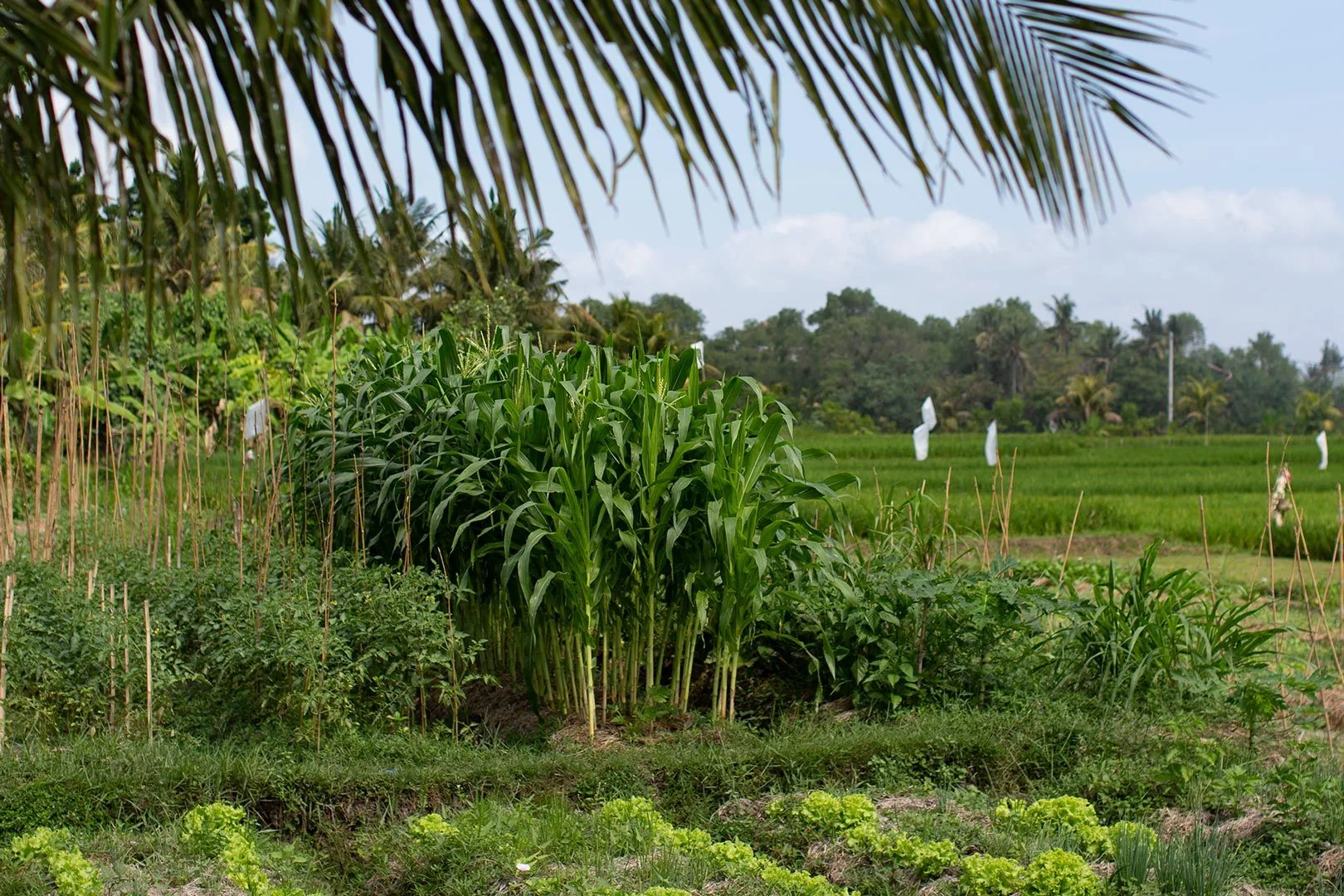
Sweet Potato Project is now an in-network partner, backed by the Desa’s pledge of 1% of revenue.
Good Times General Store
A craft centre for plant-based dyeing, plastic moulding and weaving workshops.
sound
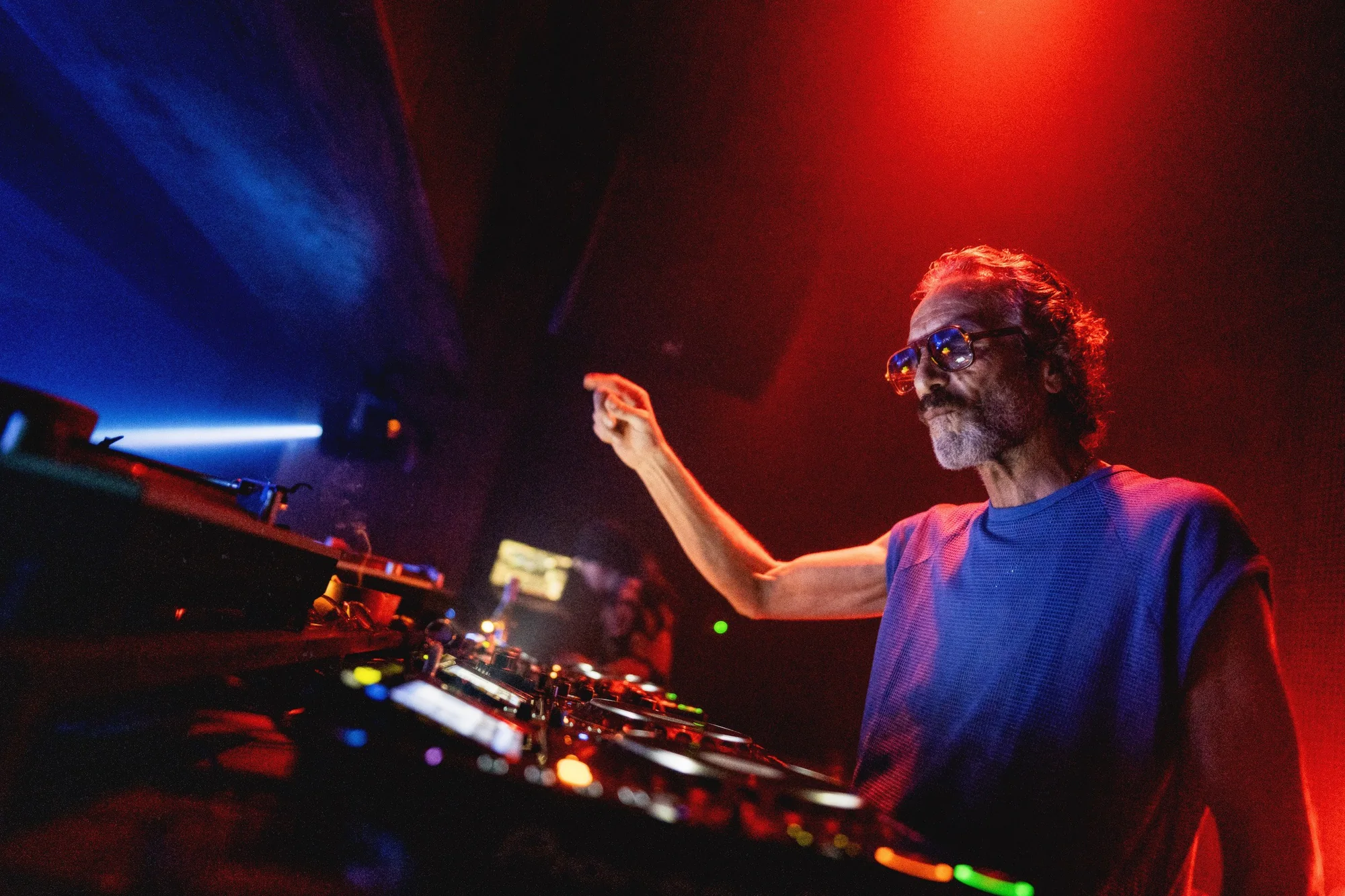
Klymax sound centre
Built with DJ Harvey. Through the week: listening sessions, breath and sound immersions, and Live at Klymax.
tradition
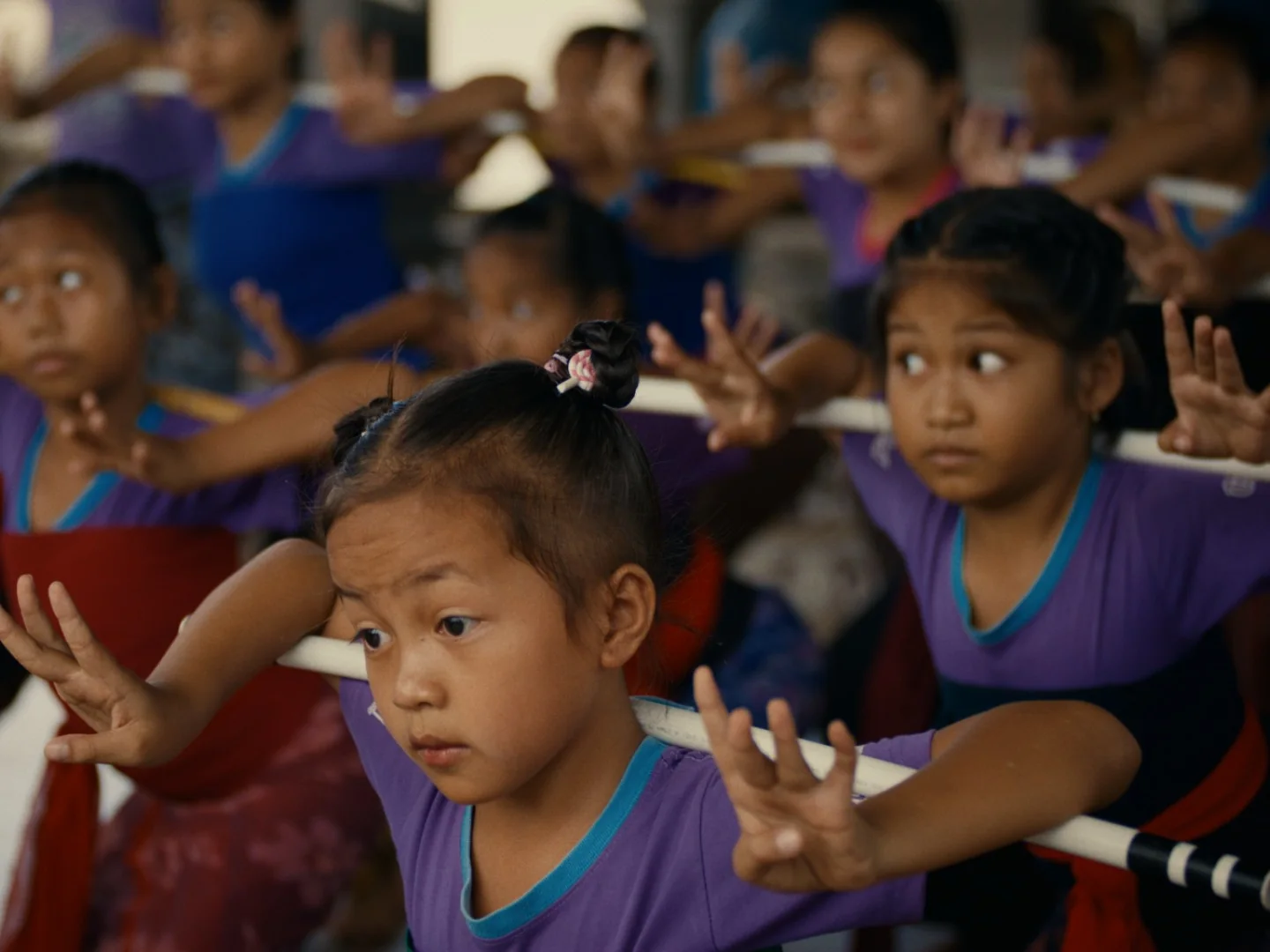
Sanggar dance centre
Dance and gamelan workshops several days a week, starting small and growing from there, with respected figures in Balinese dance.
audits and recognition

81.7
B Corp
B Impact Score from our November 2023 audit, against the 80 needed to certify and a 50.9 median for ordinary businesses.

0.48%
Zero Waste to Landfill
Certified by Eco Mantra after a full independent audit in February 2026, with a 98.26% recycling rate across all waste streams.

1 of 100
TIME100 Climate
Ronald Akili named one of TIME’s 100 most influential climate leaders of 2025.

3rd year
The World’s 50 Best Hotels
On the list for the third year running in 2025, and winner of the Eco Hotel Award the same year.
a circular journey
Follow it yourself
The Follow the Waste tour runs daily at 11am: a guided walk through how we process, separate and repurpose our waste. 2,415 people joined it in 2025.
Book the tourthe full report
77 pages. This was the short version.
The full report goes further than this page: what we offset, who we buy from, who recognised the work and the plan for what comes next, with three years of data behind every number here.
only in the full report
- p.32Offset your stayGuests offset 39.52 tCO₂e through the Katingan Mentaya peatland project in 2025, up from 11 t the year before.
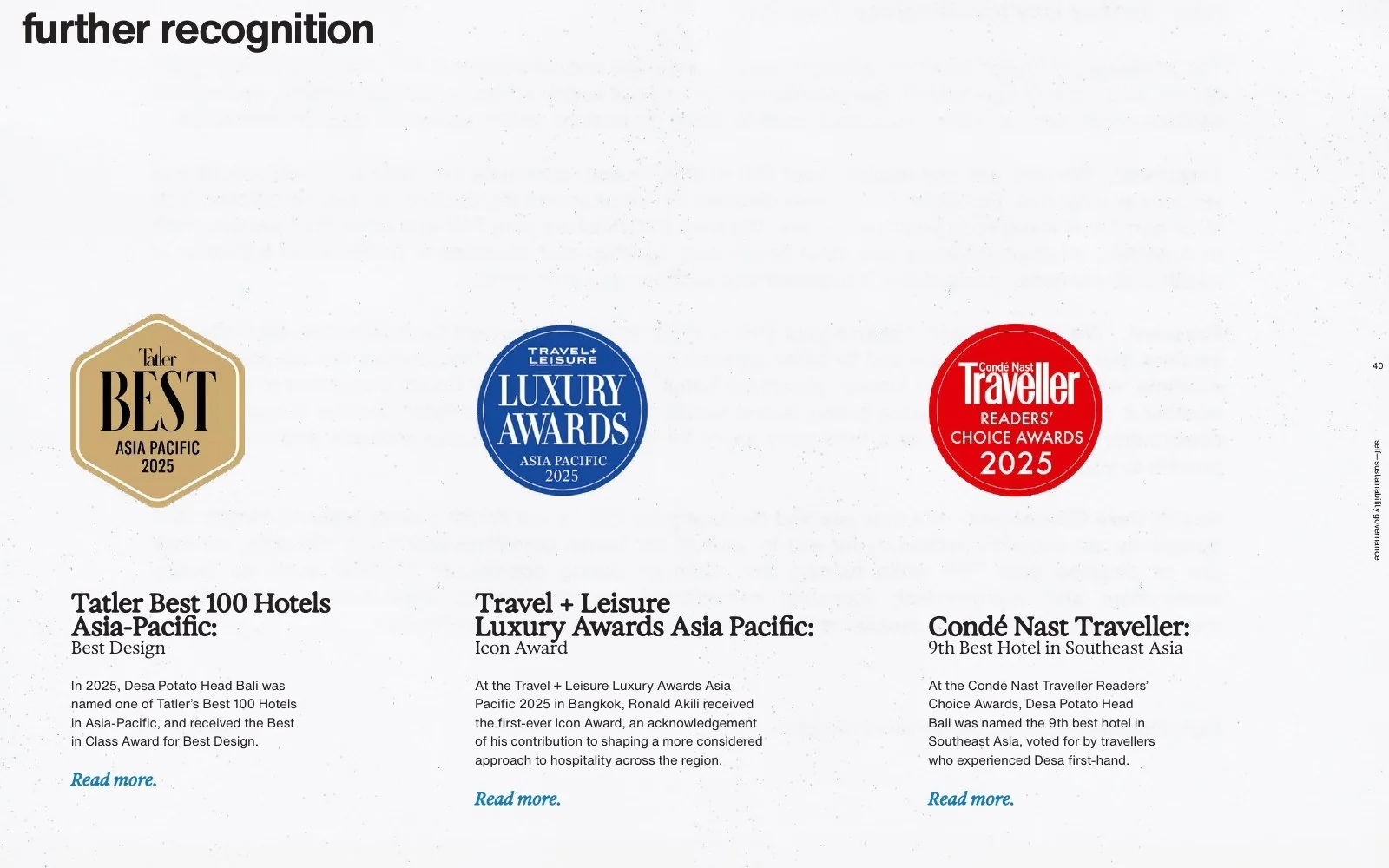
- p.40Further recognitionTatler’s Best 100 Hotels in Asia-Pacific, 9th best hotel in Southeast Asia in Condé Nast Traveller’s Readers’ Choice Awards, and the first Icon Award for Ronald Akili.
- p.48Supply chain877 partners across operations, projects, arts and performances. 75% are Balinese, 97% Indonesian.
- p.53Pardon my wasteHow bar supervisor Akbar turns peels, stems and pulp into cocktails and mocktails.
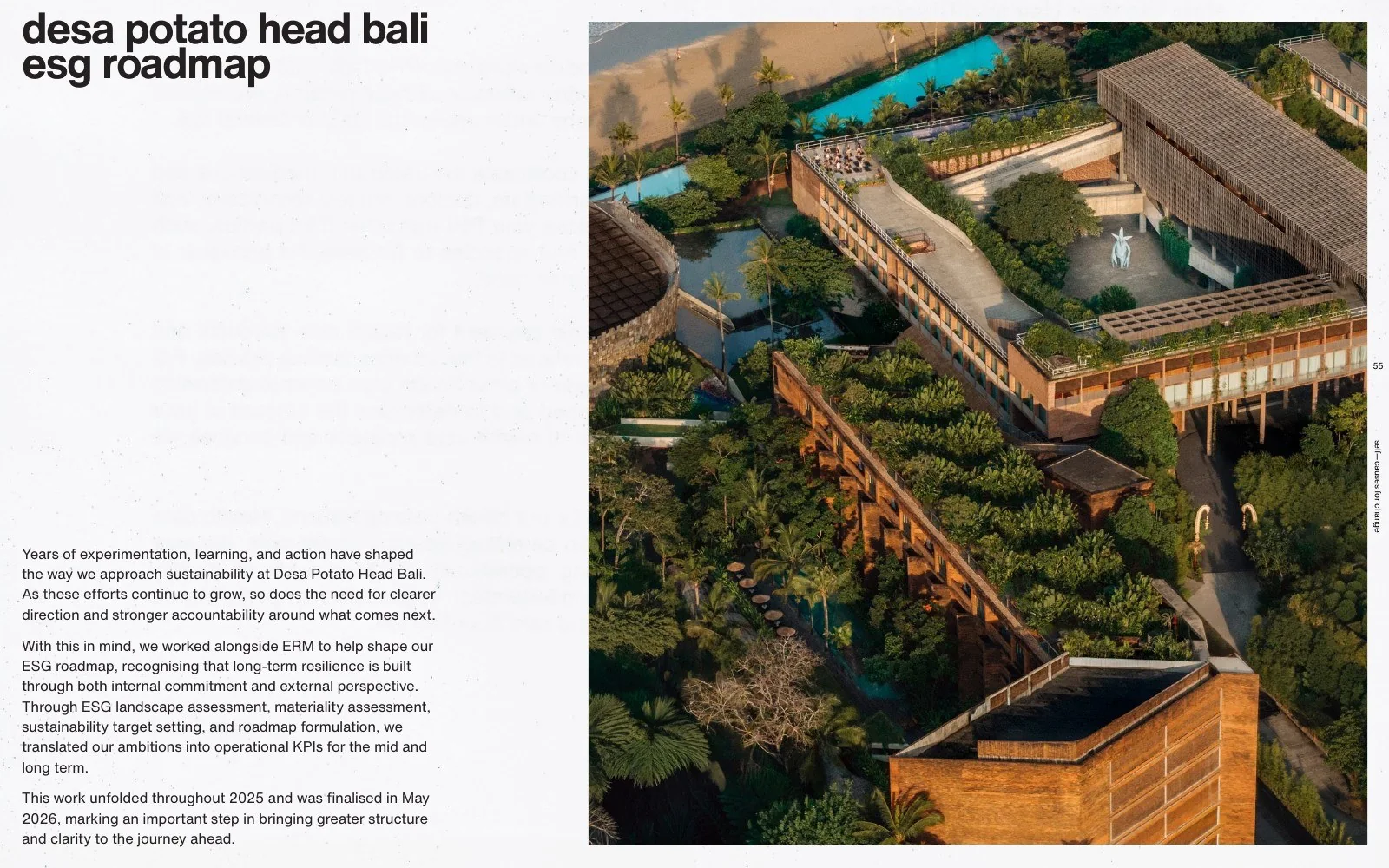
- p.55ESG roadmapBuilt with ERM and finalised in May 2026: the targets and KPIs that shape what comes next.
- p.74AppendixThree years of environmental and material data, and the UN Sustainable Development Goals the report covers.